
The invitation workshop!
Ambiguity as a Source for Real-Time Composition
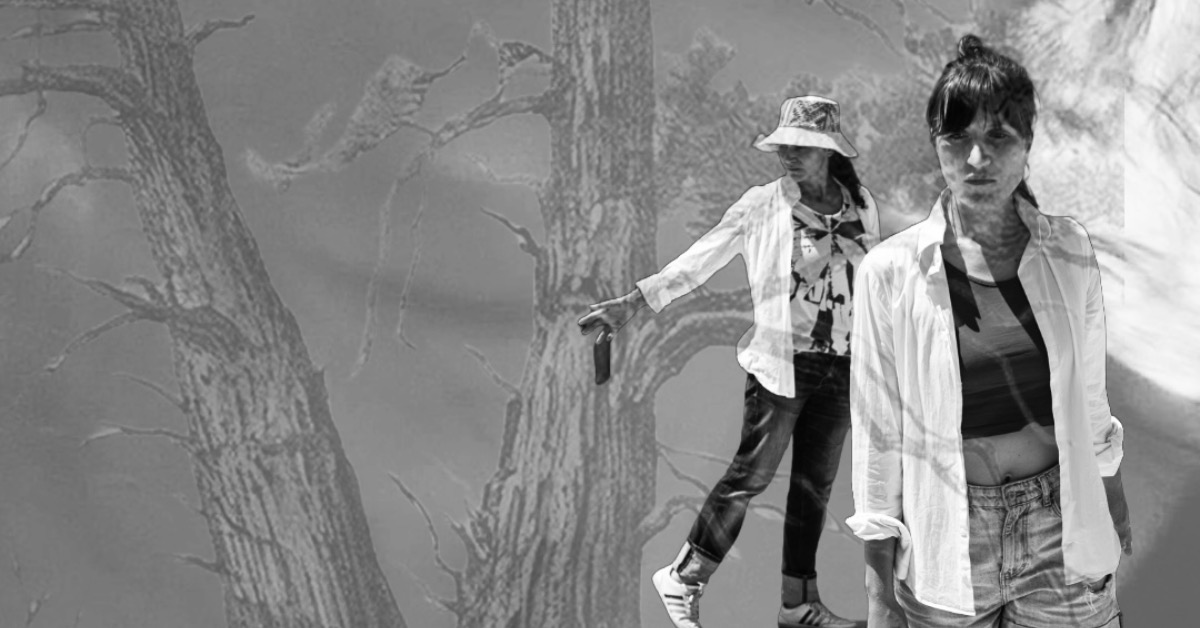
Loreto Valenzuela is a Chilean-born visual and performance artist based in Germany. Her practice moves between drawing, movement, and dramaturgical research, exploring how uncertainty, memory, and embodied perception can become material for creation. She approaches performance as a site of enquiry—where thinking happens through movement.
Ambiguity as a Source for Real-Time Composition
A short workshop by Loreto Valenzuela
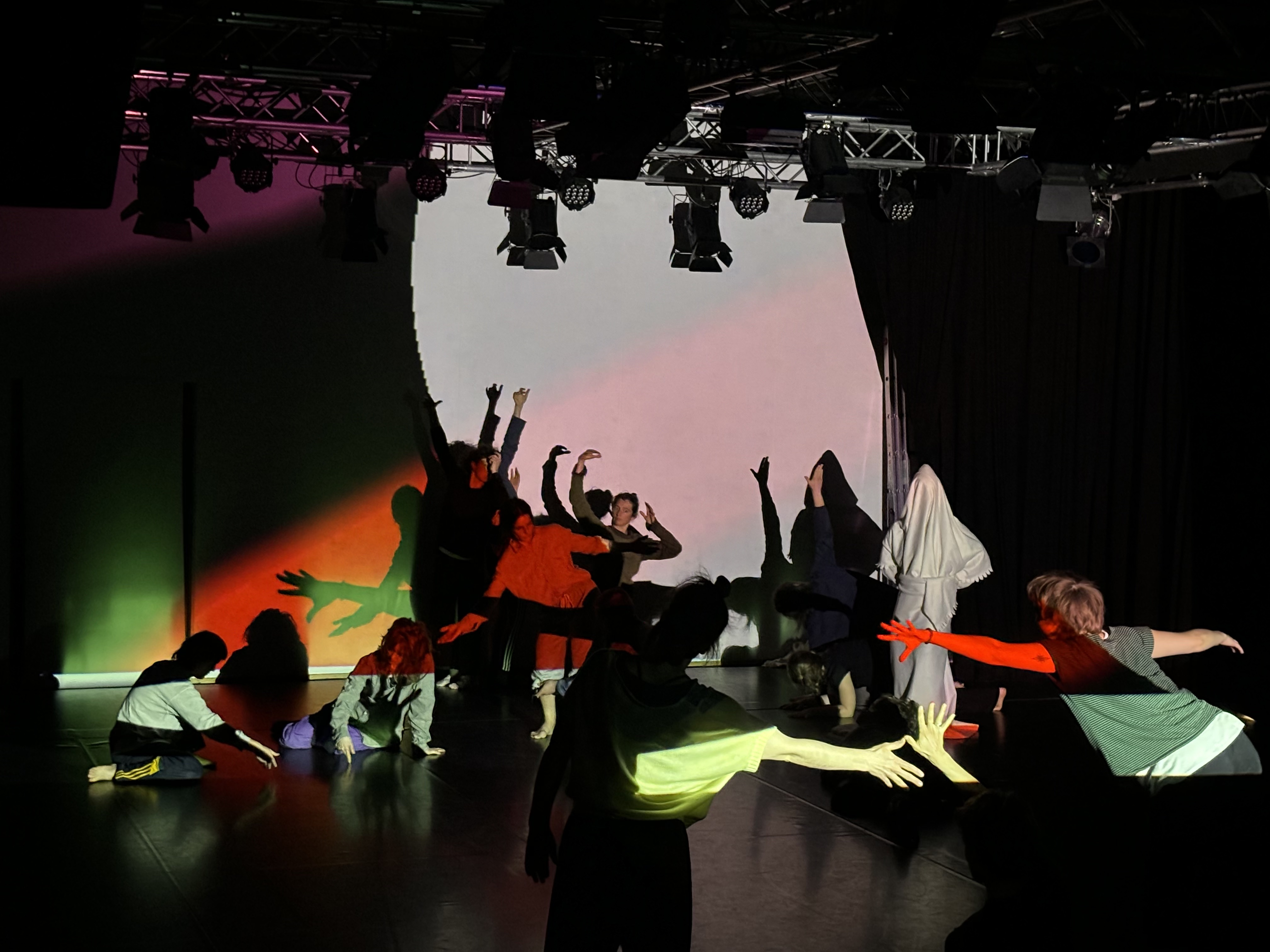
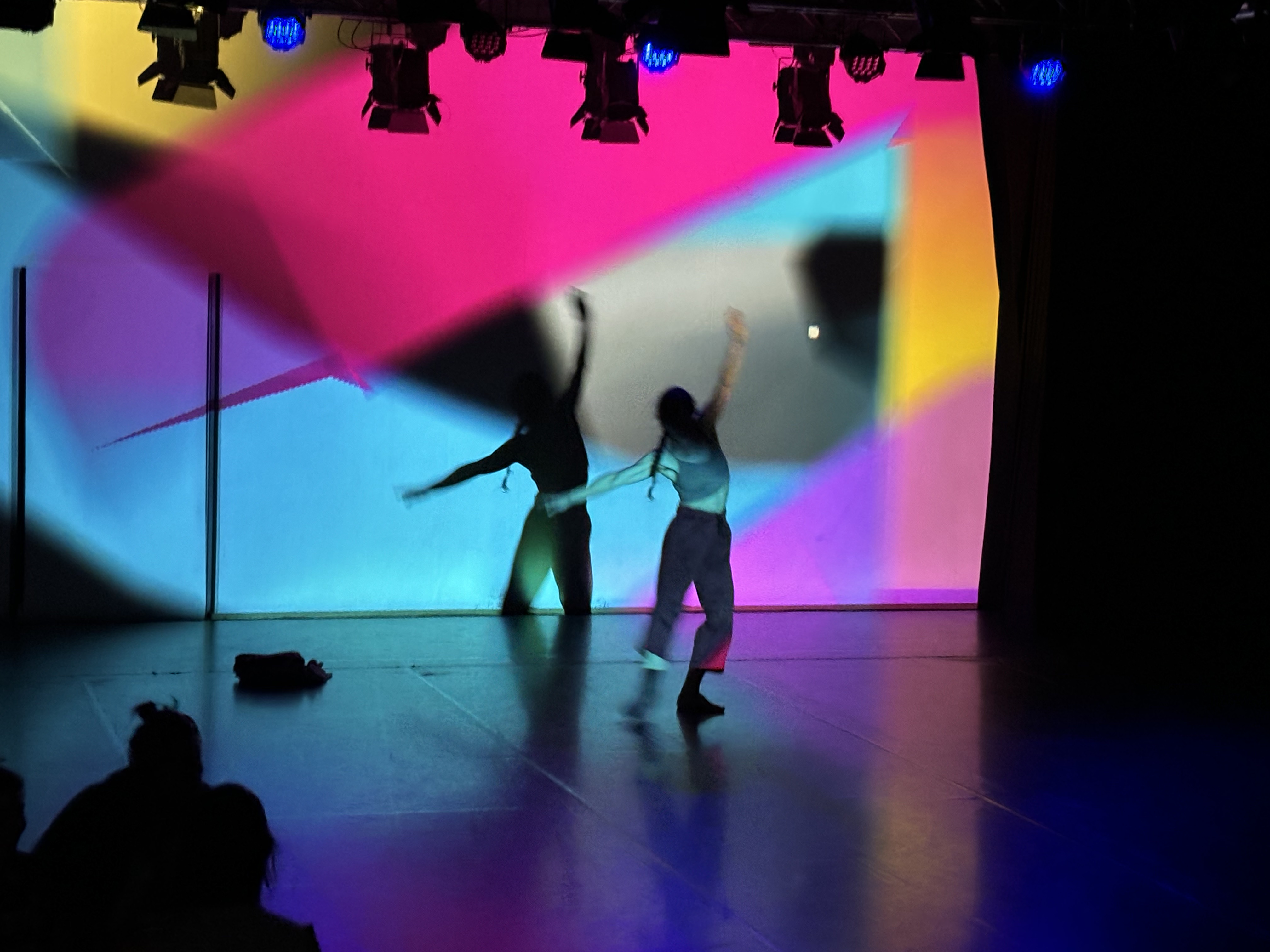
This workshop is an introduction to how visuals can be integrated into dance and performance-making as part of the creative process. It is designed for dancers, choreographers, and performance artists who are curious about working with images, text, memory, and perception in relation to movement.
Starting from improvisation and real-time composition, we will explore ambiguity as a creative force: a space where movement, narrative, and visual elements can emerge together. Through movement tasks, poetic writing, and visual triggers such as images, text fragments, and personal memories, participants will experiment with how visuals can influence perception, support dramaturgy, and open new layers of meaning in performance.
The workshop offers both a practical and reflective space to ask:
What can visuals do in a dance work?
How do they interact with movement, space, sound, and light?
What is needed for them to become an integrated part of a performance rather than an addition?
Participants will explore linear, non-linear, and open forms of composition, while developing sensitivity to the moment when movement begins to create meaning.
Format:
3-day workshop | 3-4 hours per day with a luch break
For:
Dancers, choreographers, and performance artists
Bring:
Comfortable clothing and a short biographical text in any form: poetic, fragmented, or linear
2025 Freiburg
2012 Cambridge
Can you imagine the language of the brain?
In this participatory workshop, participants are invited to create their own artistic representations of brain activity and thought processes. Using plaster (also known as white clay), we will explore how ideas might take form — how they are encoded, felt, and expressed in the brain and mind.
Through conversation and collaboration at the “artists’ table,” participants will discuss how thought, emotion, and perception could be visualized materially. Each person will then mould their plaster piece as a poetic translation of this inner, neural language — transforming abstract cognition into tactile form.
In this participatory workshop, participants are invited to create their own artistic representations of brain activity and thought processes. Using plaster (also known as white clay), we will explore how ideas might take form — how they are encoded, felt, and expressed in the brain and mind.
Through conversation and collaboration at the “artists’ table,” participants will discuss how thought, emotion, and perception could be visualized materially. Each person will then mould their plaster piece as a poetic translation of this inner, neural language — transforming abstract cognition into tactile form.
Neuro art workshop Clare Hall College Cambridge.
October 2012
The Language of the Brain – A Hands-on Exploration.
Festival of Ideas Cambridge, UK
2010 October.
Performance Workshop Sci@Art: The Body, Materials and Movement with Loreto and Satinder Gill – Centre for Music and Science (CMS), University of Cambridge
‘When we move freely to walk and talk, silently walk or jog, we eventually seek to connect and be with each other: to either walk in silent step, jog in step, talk with each other'.
Performance Workshop Sci@Art: The Body, Materials and Movement with Loreto and Satinder Gill – Centre for Music and Science (CMS), University of Cambridge
‘When we move freely to walk and talk, silently walk or jog, we eventually seek to connect and be with each other: to either walk in silent step, jog in step, talk with each other'.
︎︎︎
SCHOPF2 Kulturhallen
Schopfheimer Str. 2
79115
FREIBURG.
Schopfheimer Str. 2
79115
FREIBURG.


ATELIER VISITS BY APPOINMENT
for more information
︎ info@loretovalenzuela.com

Published Nov 17.11.24
Despite navigating one of the most challenging periorsds of my life, I am proudly greatful to embrace art both as a refuge and a force of transformation.
This residency marks a deeply personal chapter - an exploration of resilience, where performance, movement, and sculptural forms become a vessel for healing and renewal, this new periord seeks to embody the tension
between fragility and strenght, creating work that with the complexities of being human. Art, in its purest form, is my way of finding equilibrium amid chaos.
For more information write to loretovalenzuela@web.de ︎


︎︎︎
︎︎︎
︎︎︎